
From ZOSO to Zones of Peace: Jamaica’s evolving peace-based strategy

/ Our Today
administrator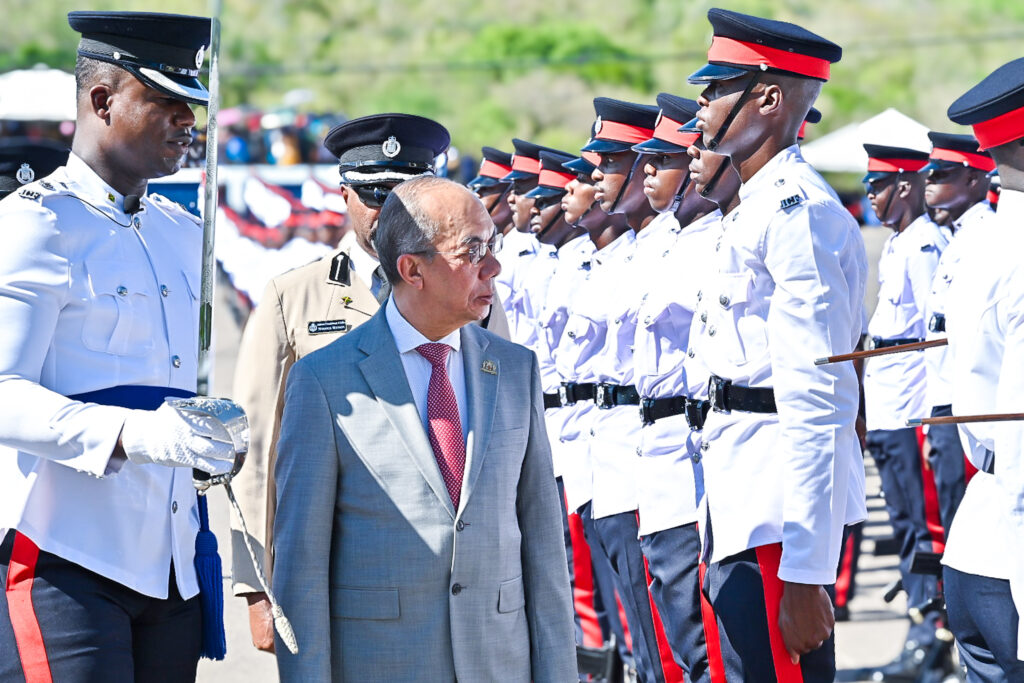
Durrant Pate/Contributor
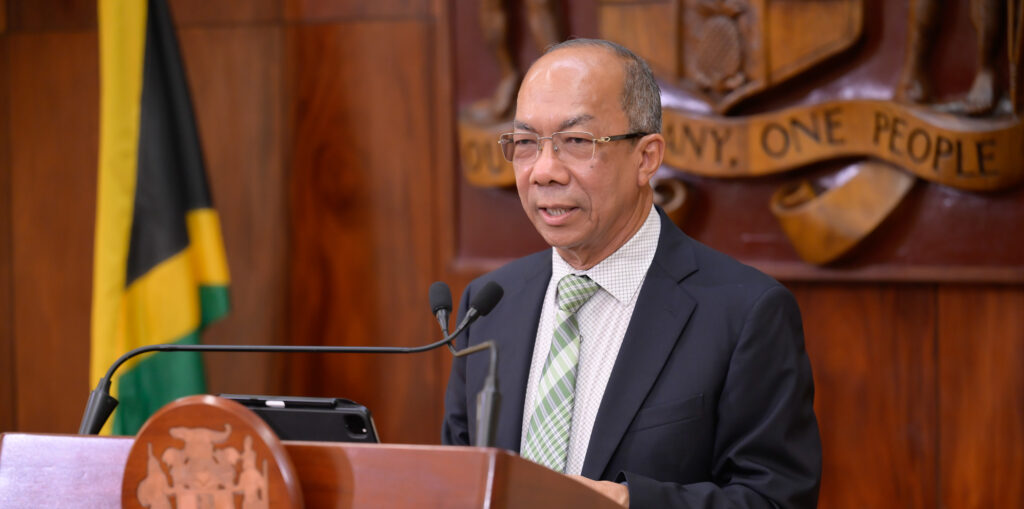
National Security and Peace Minister, Dr Horace Chang, has unveiled the government’s latest anti-crime and peace strategy.
Making the announcement in parliament this afternoon, Dr Chang explains that the evolving peace-based strategy represents a transformation from the Zones of Special Operations (ZOSO) into Zones of Peace and Opportunity.
Acknowledging that Jamaica cannot remain in a constant state of emergency, therefore, after the Clear, Hold, and Build phases of ZOSO, the strategy “will transition into a Sustain phase, where Zones of Special Operations evolve into Zones of Peace and Opportunity. These zones will represent a new phase”:
- A phase where peace is not enforced, but sustained.
- Where opportunity replaces fear.
- Where enforcement and policing now become community-based developmental policing.
- And where communities are rewarded for maintaining stability.
Engendering peace
Opening the 2026 Sectoral Debate in Gordon House, Dr Chang argued that, in order to engender peace, the government is seeking to build a peaceful society to return to positive Jamaican cultural values. To this extent, the “LIV GUD” anti-violence initiative is being pushed.
This initiative is designed to encourage citizens to adopt positive values, to take a stand against crime and violence, and to embrace peace as a way of life. To bring this message home – especially to our young people, the Minister outlined that a number of activities have been undertaken, including:
- Establishing “LIV GUD” murals in schools.
- Publishing “LIV GUD” activity workbooks with a view to integrating them into the primary school curriculum.
- Introducing “LIV GUD” Peace Ambassadors in schools, empowering youth leaders to champion peace-building.
- Conducting “LIV GUD” school invasions.
- Organising “LIV GUD” cultural activities.
Through these initiatives, Minister Chang contends the administration is not only reducing violence but is also shaping a culture of peace. As the Ministry builds out this new ecosystem, and ensures sustainability Dr. Chang acknowledged that it requires a clear distribution of roles and responsibilities among the various stakeholders.




Comments